
Industrial and Commercial Water Pumps
Industrial Pump Maintenance: Best Practices for Performance and Longevity
Why Industrial Pump Maintenance Matters
In industries such as manufacturing, water treatment, oil and gas, and chemical processing, pumps are the lifeblood of operations. They transport essential fluids that keep systems running efficiently.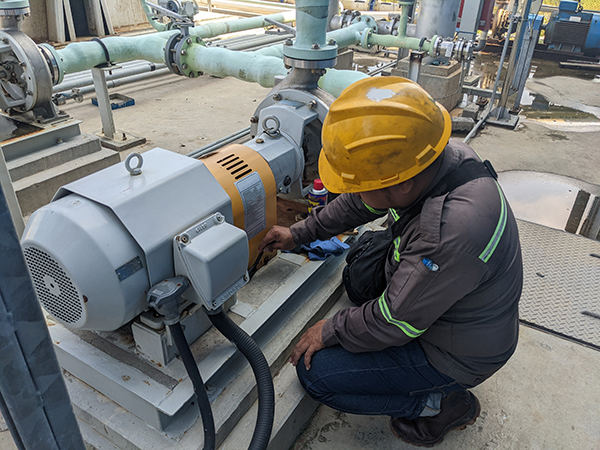
Regular maintenance helps:
- Extend pump lifespan
- Prevent unexpected breakdowns
- Improve energy efficiency
- Maintain consistent flow and pressure
- Reduce repair and replacement costs
Types of Industrial Pumps Requiring Maintenance
While all pumps need upkeep, the approach varies based on type and application:- Centrifugal Pumps – Require regular inspection of impellers, seals, and bearings to prevent vibration and performance loss.
- Positive Displacement Pumps – Need periodic checks on valves, gears, and diaphragms to ensure consistent flow.
- Submersible and Slurry Pumps – Demand extra attention to seals, coatings, and wear plates due to exposure to abrasive materials.
- Chemical Dosing and Diaphragm Pumps – Must be maintained for chemical compatibility and leak prevention.
Essential Industrial Pump Maintenance Practices
Proper maintenance involves a combination of preventive, predictive, and corrective strategies.Here are best practices every facility should follow:
1. Establish a Regular Inspection Schedule
Routine visual and performance inspections help identify early signs of wear, leaks, or misalignment. Create a maintenance log that includes operating hours, vibration readings, and fluid pressure data.2. Monitor Key Performance Indicators (KPIs
Track flow rate, discharge pressure, temperature, and noise levels. A drop in flow or an increase in vibration can indicate seal wear, impeller damage, or bearing issues.3. Lubricate Bearings and Moving Parts
Proper lubrication reduces friction and heat buildup. Always follow manufacturer guidelines for the correct lubricant type and intervals.4. Check Seals and Gaskets
Leaking seals can cause energy loss, contamination, or mechanical failure. Replace worn seals promptly to maintain pressure integrity and efficiency.5. Clean and Inspect Impellers
Debris buildup or corrosion on impellers reduces pump performance. Regular cleaning helps maintain balanced rotation and flow consistency.6. Calibrate and Align Components
Misalignment between pump and motor shafts increases vibration and shortens equipment life. Alignment checks should be part of every major service.7. Replace Worn Parts on Schedule
Don’t wait for failure. Replace bearings, seals, and filters based on usage hours and manufacturer recommendations.Predictive Maintenance: Using Technology to Prevent Failures
Modern predictive maintenance uses sensors and data analytics to monitor equipment health in real time. Technologies such as vibration monitoring, thermography, and flow sensors help detect problems before they escalate.Benefits of predictive maintenance include:
- Reduced unplanned downtime
- Lower maintenance costs
- Improved safety and reliability
- Data-driven decision-making
Common Industrial Pump Problems and How to Prevent Them
1. Cavitation: Caused by vapor bubbles collapsing in the pump, leading to noise and impeller damage.Prevention: Maintain proper suction pressure and avoid running pumps dry.
2. Overheating: Often due to friction or poor lubrication.
Prevention: Ensure correct lubrication and proper motor ventilation.
3. Vibration and Noise: Result from misalignment, worn bearings, or unbalanced impellers.
Prevention: Perform regular balancing and alignment checks.
4. Seal and Gasket Leaks: Can contaminate fluids and cause mechanical wear.
Prevention: Inspect seals regularly and use high-quality replacement materials.
5. Corrosion and Erosion: Common in chemical or abrasive applications.
Prevention: Use corrosion-resistant materials such as stainless steel or specialized coatings.
Developing a Pump Maintenance Program
A successful pump maintenance program includes:- Clear maintenance schedules and responsibilities
- Training for operators and technicians
- Documentation of service history
- Integration of condition monitoring tools